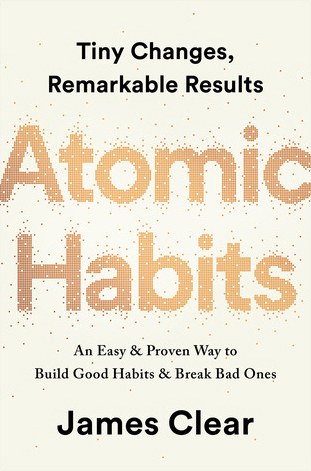
Atomic Habits
by James Clear
self-improvementproductivitypsychology
Atomic Habits — Core Ideas
The Central Thesis
Small changes compound into remarkable results. A 1% improvement every day leads to being 37 times better by the end of a year. Habits are the compound interest of self-improvement.
The Four Laws of Behavior Change
James Clear builds his framework around four simple laws:
1. Make It Obvious (Cue)
- Habit Scorecard: Write down your current habits to become aware of them.
- Implementation Intention: "I will [BEHAVIOR] at [TIME] in [LOCATION]."
- Habit Stacking: "After [CURRENT HABIT], I will [NEW HABIT]."
- Environment Design: Make cues of good habits visible in your environment.
2. Make It Attractive (Craving)
- Temptation Bundling: Pair an action you want to do with an action you need to do.
- Join a culture: Surround yourself with people where your desired behavior is normal.
- Reframe your mindset: Instead of "I have to," say "I get to."
3. Make It Easy (Response)
- Reduce friction: Decrease the number of steps between you and your good habits.
- Two-Minute Rule: When you start a new habit, it should take less than two minutes.
- Automate: Use technology and one-time choices to lock in future behavior.
4. Make It Satisfying (Reward)
- Habit tracking: Use a visual measure of your progress (like a calendar).
- Never miss twice: If you miss one day, get back on track immediately.
- Accountability partner: Find someone who will notice when you don't show up.
Key Takeaways
- Identity-based habits: Focus on who you wish to become, not what you want to achieve. Every action is a vote for the type of person you wish to become.
- Systems over goals: You don't rise to the level of your goals; you fall to the level of your systems.
- The Plateau of Latent Potential: Results take time. Breakthrough moments are often the result of many previous actions that built up potential.
Who Should Read This
Anyone looking to build better habits — whether in fitness, learning, work, or personal growth. The book is practical, backed by science, and full of real-world examples.