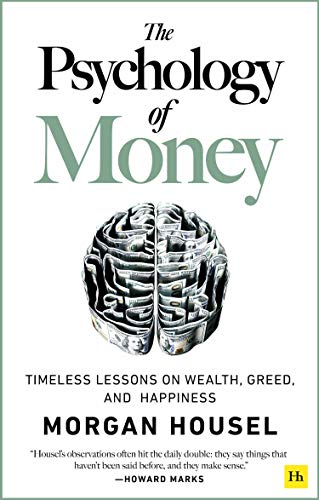
The Psychology of Money
by Morgan Housel
The Psychology of Money — Core Ideas
The Central Insight
Financial success is not about how smart you are — it's about how you behave. And behavior is hard to teach, even to very smart people. Money decisions are driven by personal history, ego, pride, and a hundred other emotional factors that have nothing to do with spreadsheets.
Key Lessons
1. No One's Crazy
Everyone makes financial decisions based on their unique experiences. What seems irrational to one person makes perfect sense given another person's life history. A person who grew up in poverty and a person who grew up wealthy will have fundamentally different relationships with risk.
2. Luck & Risk
They are two sides of the same coin. Every outcome in life is guided by forces other than individual effort. Bill Gates happened to attend one of the only high schools in the world with a computer terminal in 1968. Recognize the role of luck in success and the role of risk in failure.
3. Never Enough
When rich people do crazy things, it's often because they've lost track of "enough." Knowing when you have enough — and stopping there — is one of the most important financial skills.
4. Compounding
Warren Buffett's net worth is approximately $84 billion. Of that, $81.5 billion was accumulated after his 65th birthday. The real key to his wealth isn't investment returns — it's time. Compounding only works if you give it time.
5. Getting Wealthy vs. Staying Wealthy
Getting money requires taking risks, being optimistic, and putting yourself out there. Keeping money requires the opposite: humility, frugality, and a healthy dose of paranoia.
6. Tails, You Win
A small number of events account for the majority of outcomes. In investing, you can be wrong half the time and still make a fortune — because the few investments that work spectacularly well make up for all the losers.
7. Room for Error
The most important part of every plan is planning on your plan not going according to plan. Saving is a hedge against life's inevitable surprises.
8. Wealth Is What You Don't See
Spending money to show people how much money you have is the fastest way to have less money. True wealth is the financial assets that haven't been converted into the stuff you see.
Key Takeaways
- Humility, patience, and a long time horizon are the greatest financial advantages.
- Saving doesn't require a reason — it gives you options and flexibility.
- The highest form of wealth is the ability to wake up every morning and say, "I can do whatever I want today."
Who Should Read This
Everyone. Whether you're just starting out or well into your career, this book reframes money from a math problem into a human behavior problem — and that shift in perspective changes everything.